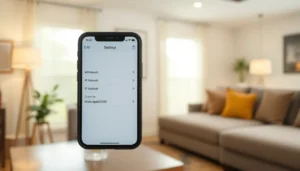
In a world where technology seems to have a mind of its own, smart wearables are the stylish sidekicks we never knew we needed. These nifty gadgets don’t just sit on your wrist looking pretty; they track your steps, monitor your heart rate, and even remind you to breathe—because let’s face it, sometimes we forget in our busy lives.
Overview of Smart Wearables
Smart wearables encompass a variety of devices that integrate technology into everyday life. These devices include smartwatches, fitness trackers, smart glasses, and health monitors. They’ve gained popularity due to their ability to perform multiple functions beyond basic timekeeping or notification alerts.
Fitness trackers monitor physical activities, counting steps and tracking calories burned. Heart rate monitors provide real-time data on cardiovascular health, helping users understand their exercise intensity. Smartwatches allow users to receive notifications, send messages, and control music right from their wrists, making them convenient tools for daily tasks.
Health metrics tracking is a crucial feature of smart wearables. Devices often track sleep patterns, offering insights that aid in improving sleep quality. Some wearables include features for stress management, reminding users to take breaks or practice mindfulness exercises.
User interaction with these devices enhances their functionality. Voice commands enable hands-free operation, promoting safety, especially during workouts or driving. App integration allows for personalized experiences, connecting wearables to smartphones for a seamless flow of information.
The health-conscious market has expanded, pushing companies to innovate and improve their offerings. Continuous advancements in sensor technology and battery life lead to more accurate readings and longer usage periods. The competitive landscape fosters rapid development, ensuring features meet diverse consumer needs.
Smart wearables open avenues for improved healthcare. They provide valuable data that can assist medical professionals in making informed decisions. Predictive analytics, powered by collected user data, can help identify potential health issues before they become severe.
Types of Smart Wearables
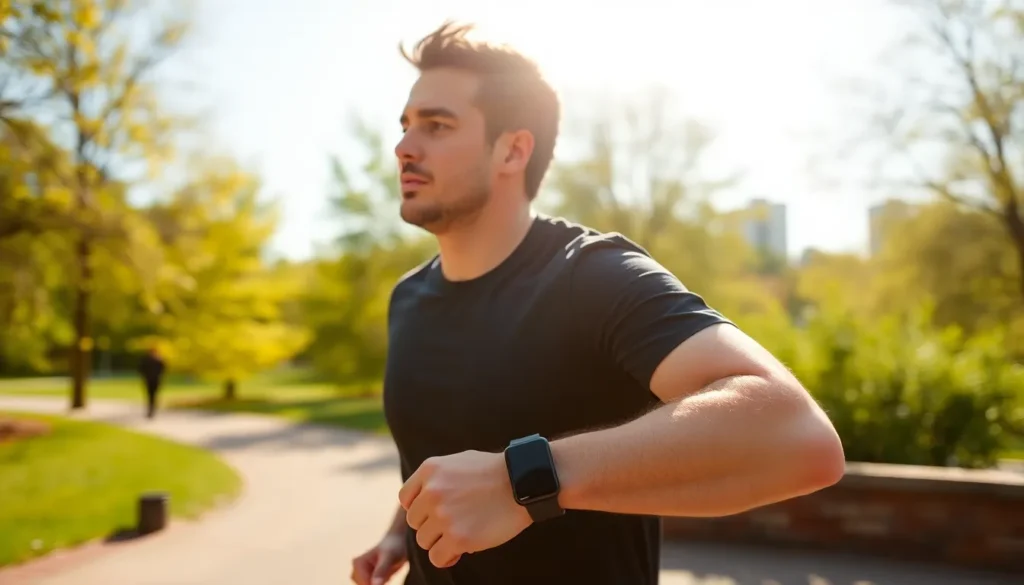
Smart wearables include various devices designed to enhance user experience by offering functionality and convenience.
Fitness Trackers
Fitness trackers monitor physical activities while providing insights into health metrics. These devices often include features like step counting, calorie tracking, and sleep analysis. Some models utilize GPS to track outdoor workouts, enabling users to measure distance and pace accurately. Users appreciate the ability to set fitness goals and receive notifications to remain active throughout the day. Many fitness trackers also sync with smartphones and health apps, allowing for personalized experience and data analysis. Popular brands include Fitbit, Garmin, and Xiaomi, demonstrating robust competition in this market.
Smartwatches
Smartwatches combine style with functionality, serving as an extension of smartphones. Notifications for calls, texts, and emails appear seamlessly on the watch face. Users can respond to messages directly, stream music, and access apps without reaching for their phones. Health monitoring features like heart rate tracking, ECG, and even blood oxygen saturation provide additional utility. Leading brands such as Apple and Samsung continuously innovate with enhanced battery life and advanced sensors. Compatibility with various operating systems ensures that smartwatches cater to a wide range of users.
Smart Glasses
Smart glasses blend augmented reality with everyday life, enhancing user interaction with their environment. These devices enable users to access notifications, make hands-free calls, and receive directions in real-time. Incorporating cameras allows for photo and video capture, providing unique experiences. Virtual assistants built into smart glasses make performing tasks more efficient and intuitive. Companies like Google and Vuzix lead in this industry, pushing boundaries in design and technology. Enhanced usability appeals not only to tech enthusiasts but also to professionals seeking innovative solutions.
Features of Smart Wearables
Smart wearables showcase a variety of advanced features tailored to enhance user experience and health management.
Health Monitoring
Health monitoring stands out as a primary feature of smart wearables. Many devices track vital health metrics, including heart rate, blood oxygen levels, and sleep patterns. They often utilize sensors for accurate readings, enabling users to monitor their overall wellness. Certain models send alerts for irregular heart rates or encourage mindfulness practices through prompts. These insights help users manage their health proactively by fostering better lifestyle choices. Companies consistently develop new technologies to improve measurement accuracy and provide more real-time data. Consequently, wearables empower users to maintain a closer connection to their health.
Connectivity and Apps
Connectivity and app integration significantly enhance the functionality of smart wearables. Users benefit from seamless connections to smartphones, enabling notifications for calls, messages, and app alerts. Many wearables support a variety of third-party applications, expanding their capabilities beyond standard fitness tracking. Users often rely on these apps for personalized fitness plans, health tracking, or social interaction. This interconnectedness fosters user engagement, making devices more than just fitness tools. Additionally, continuous updates from manufacturers ensure that wearables adapt to the latest software advancements, keeping users in tune with their goals.
Advantages of Smart Wearables
Smart wearables offer numerous benefits that enhance daily living and health management. These devices seamlessly blend into everyday routines, making them integral to modern lifestyles.
Enhanced Lifestyle Management
Smart wearables enable users to manage their routines effectively. They provide reminders for tasks like drinking water or taking breaks, promoting healthier habits. Notifications for messages and calls help users stay connected without interruptions. Some smartwatches offer features for tracking workouts and providing real-time feedback, motivating users to reach their fitness goals. Integration with apps allows personalized adjustments based on individual preferences, fostering a tailored approach to health and wellness. Overall, these wearables foster greater awareness of personal habits, leading to more informed lifestyle choices.
Data Tracking and Analysis
Data tracking plays a central role in the effectiveness of smart wearables. They monitor vital metrics like heart rate, sleep patterns, and physical activity levels, offering users detailed insights into their health. This data proves beneficial for identifying trends and patterns over time. Wearables utilize advanced sensors to ensure accuracy, turning everyday information into actionable insights. Some devices even analyze stress levels, suggesting mindfulness practices when needed. Insights from this data can empower users to make proactive health choices, paving the way for improved well-being. Together, these features cultivate a deeper understanding of individual health statuses.
Challenges and Limitations
Smart wearables face several challenges that can impact user experience and trust.
Battery Life Concerns
Battery life remains a primary concern for many smart wearable devices. Devices require frequent charging, particularly when running multiple applications simultaneously. Users often express frustration over the inconvenience of recharging during the day, which can interrupt their daily routines. Advanced features and high display resolutions tend to consume more power, forcing users to compromise on functionality. For instance, a smartwatch that offers extensive health tracking and GPS may need daily charging compared to simpler models that last several days. Manufacturers are striving to enhance battery technology, yet many struggle to achieve longer battery life without increasing device size or weight.
Privacy Issues
Privacy issues present significant challenges for smart wearables. These devices continuously collect sensitive data, including health metrics and location information. Users may feel uneasy about sharing personal data with third parties or insufficient data protection measures. Many wearables utilize cloud storage, raising concerns about potential data breaches. Some users question how their information is being used and stored, leading to distrust in manufacturers. Regulations like the GDPR aim to protect consumer privacy, yet compliance varies across regions. Addressing privacy concerns remains crucial for manufacturers to enhance user confidence and retention in the growing smart wearable market.
Smart wearables are transforming how individuals approach health and daily living. With their ability to track vital metrics and offer real-time feedback, these devices empower users to make informed lifestyle choices. The integration of advanced technology not only enhances user experience but also fosters a proactive approach to health management.
Despite challenges like battery life and privacy concerns, the benefits of smart wearables are undeniable. As technology continues to evolve, these devices will likely become even more essential in promoting well-being and efficiency. Embracing smart wearables can lead to a healthier and more connected lifestyle, making them invaluable tools in today’s fast-paced world.